


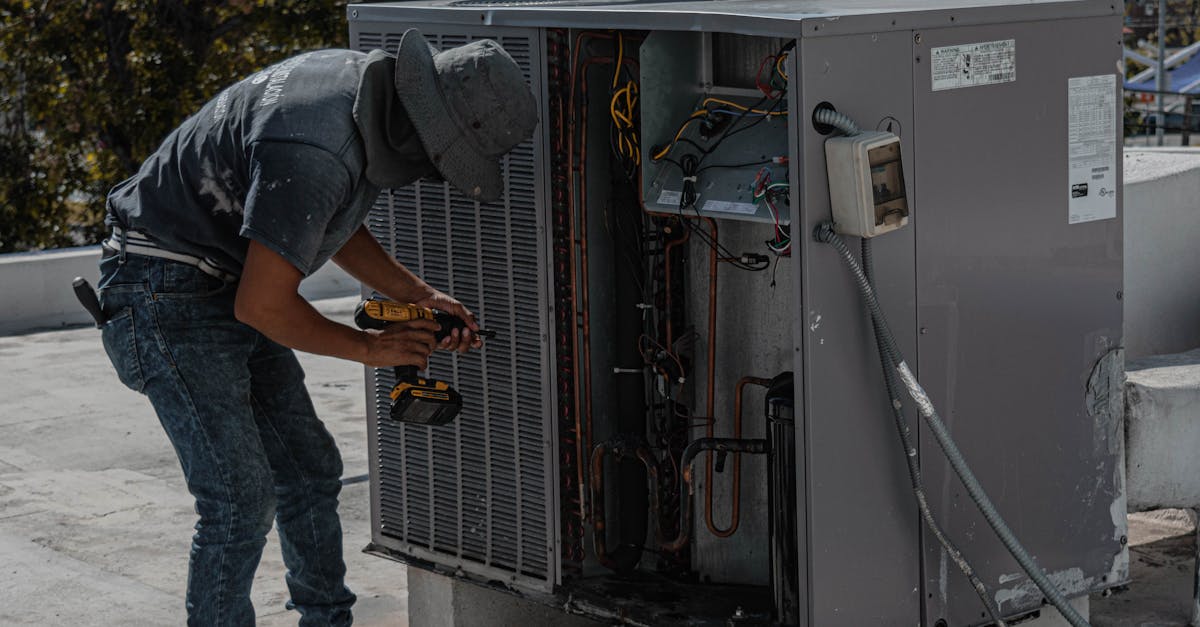
Core Installation Duties and Responsibilities
HVAC technicians spend a significant portion of their time installing new systems and equipment. This work requires technical knowledge, physical strength, and attention to detail.
Installing New HVAC Systems
Installing new HVAC systems begins with reading blueprints and technical specifications. You’ll position and mount equipment such as compressors, motors, condensers, and evaporator coils according to manufacturer guidelines. The installation process includes connecting refrigerant lines, electrical wiring, and control systems.
You’ll also connect systems to existing infrastructure. This means linking new equipment to gas lines, water lines, electrical panels, and existing ductwork. Each connection must meet local building codes and safety standards.
Testing new installations ensures proper operation before turning systems over to customers. You’ll check refrigerant levels, verify electrical connections, test safety controls, and confirm that heating and cooling cycles work correctly.
Ductwork and Ventilation Setup
Ductwork installation requires measuring, cutting, and assembling metal or flexible ducts. You’ll route ducts through walls, ceilings, and crawl spaces while maintaining proper airflow and insulation. Sealing duct joints prevents air leaks that reduce system efficiency.
Ventilation work includes installing exhaust fans, fresh air intakes, and air filtration systems. You’ll position vents and registers to ensure even air distribution throughout buildings. Proper ventilation setup improves indoor air quality and system performance.
Balancing airflow involves adjusting dampers and registers to achieve consistent temperatures in all areas. This process may require multiple visits to fine-tune system operation after installation.
Maintenance and Preventive Care Tasks
Preventive maintenance keeps HVAC systems running efficiently and extends equipment life. These routine tasks prevent costly breakdowns and maintain manufacturer warranties.
Routine System Inspections
Regular inspections identify potential problems before they cause system failures. You’ll examine electrical connections, check refrigerant levels, and test safety controls during these visits. Visual inspections reveal worn belts, loose connections, or signs of corrosion.
Inspecting ductwork involves looking for leaks, damaged insulation, or blocked vents. You’ll use pressure gauges to test system pressures and digital meters to verify electrical readings. These measurements help determine if systems operate within normal parameters.
Documenting inspection findings helps track equipment condition over time. You’ll note any issues that need attention and recommend repair schedules to customers.
Filter Replacement and Cleaning
Changing air filters is one of the most common maintenance tasks. You’ll remove dirty filters and install new ones according to system requirements. Different systems use various filter types, from basic fiberglass to high-efficiency HEPA filters.
Cleaning coils removes dirt and debris that reduces system efficiency. Evaporator and condenser coils require different cleaning methods and chemicals. Clean coils improve heat transfer and reduce energy consumption.
Lubricating moving parts prevents premature wear. You’ll apply appropriate lubricants to fan motors, bearings, and other components as specified by manufacturers. This maintenance extends equipment life and reduces operating noise.
Diagnostic and Repair Work
When HVAC systems malfunction, technicians must quickly identify problems and carry out solutions. This work requires strong troubleshooting skills and knowledge of various system types.
Troubleshooting System Problems
Diagnosing HVAC problems begins with gathering information from customers about system symptoms. You’ll ask questions about when problems started, what sounds the system makes, and how it’s performing. This information guides your troubleshooting approach.
Using diagnostic tools helps pinpoint specific issues. Digital multimeters test electrical circuits, refrigerant manifolds check system pressures, and combustion analyzers verify proper fuel burning in gas systems. These tools provide precise measurements that guide repair decisions.
Systematic troubleshooting follows logical steps to isolate problems. You might start with simple checks like thermostat settings and circuit breakers before moving to more complex diagnostics. This approach saves time and ensures you don’t overlook obvious issues.
Component Replacement and Repairs
Replacing failed components requires selecting correct parts and following proper procedures. You’ll reference equipment manuals and parts catalogs to ensure compatibility. Common replacements include motors, capacitors, contactors, and thermostats.
Refrigerant system repairs often involve finding and fixing leaks. You’ll use leak detection equipment to locate problems, then seal leaks and recharge systems with proper refrigerant types and quantities. This work requires EPA certification for handling refrigerants.
Electrical repairs address wiring problems, failed controls, and safety switch issues. You’ll follow electrical schematics and use proper safety procedures when working with live circuits. Some repairs may require coordination with electricians for major electrical work.
Customer Service and Communication Responsibilities
HVAC technicians interact directly with customers, making communication skills as important as technical abilities. Building trust and explaining complex systems in simple terms helps maintain customer relationships.
Explaining System Operations to Clients
Educating customers about their HVAC systems helps them understand proper operation and maintenance needs. You’ll explain how thermostats work, when to change filters, and what sounds indicate normal operation versus problems requiring service.
Showing customers system components during service calls builds confidence in your work. Point out what you’re checking, why certain maintenance is needed, and how they can help maintain their systems. This transparency demonstrates professionalism and expertise.
Providing operation tips saves customers money and prevents unnecessary service calls. You might explain seasonal maintenance tasks, energy-saving settings, or signs that indicate professional service is needed.
Providing Cost Estimates and Recommendations
Preparing accurate estimates requires assessing work scope and pricing labor and materials fairly. You’ll inspect systems thoroughly, identify all necessary repairs, and explain options to customers. Clear estimates prevent misunderstandings and help customers make informed decisions.
Recommending system upgrades or replacements requires balancing customer budgets with equipment needs. You’ll evaluate system age, repair costs, and efficiency improvements to provide honest assessments. Sometimes repair makes sense: other times replacement is more cost-effective.
Following up after completing work ensures customer satisfaction and builds long-term relationships. You’ll confirm systems operate properly, answer any questions, and schedule future maintenance as needed.
Safety Protocols and Compliance Requirements
HVAC work involves potential hazards including electrical shock, refrigerant exposure, and carbon monoxide poisoning. Following safety protocols protects both technicians and customers.
Following Industry Safety Standards
OSHA regulations govern workplace safety in HVAC work. You’ll follow lockout/tagout procedures when working on electrical systems, use appropriate personal protective equipment, and maintain safe work areas. These standards prevent accidents and injuries.
Gas system safety requires special attention to prevent leaks and combustion problems. You’ll test gas connections, check for proper ventilation, and verify safety controls operate correctly. Gas leaks pose serious safety risks that require immediate attention.
Electrical safety involves using proper tools, following circuit protection procedures, and understanding electrical hazards. Working with high-voltage equipment requires additional precautions and may require special training or certification.
Handling Refrigerants and Hazardous Materials
EPA Section 608 certification is required for handling refrigerants. This certification covers proper recovery, recycling, and disposal procedures that protect the environment. You’ll use recovery equipment to capture refrigerants rather than venting them to the atmosphere.
Hazardous material handling includes proper storage, use, and disposal of chemicals used in HVAC work. Cleaning solvents, lubricants, and refrigerants require specific handling procedures to protect workers and the environment.
Record keeping for refrigerant use helps track system service history and ensures compliance with environmental regulations. You’ll document refrigerant quantities added or recovered during service calls.
Documentation and Administrative Tasks
Proper documentation tracks work performed, maintains service records, and ensures billing accuracy. These administrative duties are essential parts of professional HVAC service.
Work Orders and Service Reports
Completing work orders documents services performed and parts used. You’ll record arrival and departure times, describe work completed, and note any additional issues discovered. Detailed records help with warranty claims and future service needs.
Service reports provide customers with written summaries of work performed. These reports include recommendations for future maintenance, explanations of repairs made, and suggestions for system improvements. Clear reports demonstrate professionalism and help customers understand service value.
Maintaining customer databases tracks service history and helps plan future maintenance. You’ll update records with equipment information, service dates, and customer preferences. This information improves service efficiency and customer satisfaction.
Inventory Management and Tool Maintenance
Managing parts inventory ensures you have necessary components for common repairs. You’ll track parts usage, reorder supplies, and maintain appropriate stock levels. Good inventory management reduces service delays and improves customer satisfaction.
Tool maintenance keeps equipment in proper working condition. You’ll calibrate testing instruments, maintain power tools, and replace worn items as needed. Well-maintained tools improve work quality and safety.
Vehicle organization helps locate tools and parts quickly during service calls. You’ll arrange truck inventory logically, secure items during transport, and maintain clean, professional work vehicles that reflect well on your employer.
Specialized Work Environments and Conditions
HVAC technicians work in various settings, each with unique challenges and requirements. Understanding these environments helps prepare for different aspects of the job.
Residential vs Commercial HVAC Work
Residential HVAC work focuses on single-family homes and small apartment buildings. You’ll work with homeowners directly, often in occupied spaces, requiring courtesy and cleanliness. Residential systems are typically smaller and less complex than commercial equipment.
Commercial HVAC work involves larger buildings like offices, retail stores, and schools. These systems often operate continuously and require different maintenance approaches. Commercial work may involve coordinating with building managers and working around business operations.
Industrial HVAC work includes factories, warehouses, and manufacturing facilities. These environments often have specialized ventilation needs, process cooling requirements, and safety considerations related to manufacturing operations.
Emergency Service Calls and After-Hours Work
Emergency service calls occur when systems fail unexpectedly, often during extreme weather conditions. You’ll respond quickly to restore heating or cooling, sometimes working in uncomfortable conditions while systems are down.
After-hours work includes evenings, weekends, and holidays when emergency service is needed. This schedule variability is common in HVAC work, especially during peak heating and cooling seasons. Emergency work often pays premium rates but requires flexible scheduling.
Physical demands of HVAC work include working in cramped spaces, lifting heavy equipment, and spending time outdoors in various weather conditions. You’ll climb ladders, crawl through tight spaces, and work in attics, basements, and rooftops.
Conclusion
HVAC technician responsibilities encompass technical skills, customer service, safety compliance, and administrative duties. The work varies from routine maintenance to complex emergency repairs across residential, commercial, and industrial settings. Success requires ongoing education to keep pace with evolving technology and changing efficiency standards.
Training programs prepare technicians for this diverse field through hands-on instruction and classroom learning. CBT Technology Institute offers both an Associate of Science in Air Conditioning, Refrigeration & Heating Technology for comprehensive preparation and a Diploma in Air Conditioning and Refrigeration Technician for focused entry-level training. These programs provide the foundation needed to begin a career in HVAC technology with proper preparation for the field’s responsibilities and challenges.
Frequently Asked Questions
What are the main daily responsibilities of an HVAC technician?
HVAC technicians install new systems, perform routine maintenance like filter changes and inspections, diagnose and repair equipment problems, and provide customer service including cost estimates and system operation explanations.
Do HVAC technicians need special certifications to handle refrigerants?
Yes, HVAC technicians must obtain EPA Section 608 certification to legally handle refrigerants. This certification covers proper recovery, recycling, and disposal procedures to protect the environment.
What physical demands can HVAC technicians expect on the job?
HVAC work requires climbing ladders, crawling through tight spaces, lifting heavy equipment, and working in various weather conditions including attics, basements, and rooftops.
How much do HVAC technicians typically earn per year?
HVAC technician salaries vary by location and experience, but the median annual wage is approximately $50,000-$60,000, with emergency and specialized work often paying premium rates.
What tools and equipment do HVAC technicians use for diagnostics?
HVAC technicians use digital multimeters for electrical testing, refrigerant manifolds for pressure checks, combustion analyzers for gas systems, and leak detection equipment for refrigerant system repairs.
What’s the difference between residential and commercial HVAC work?
Residential HVAC focuses on homes with smaller, simpler systems and direct homeowner interaction. Commercial work involves larger buildings with complex systems that operate continuously and requires coordination with building managers.