


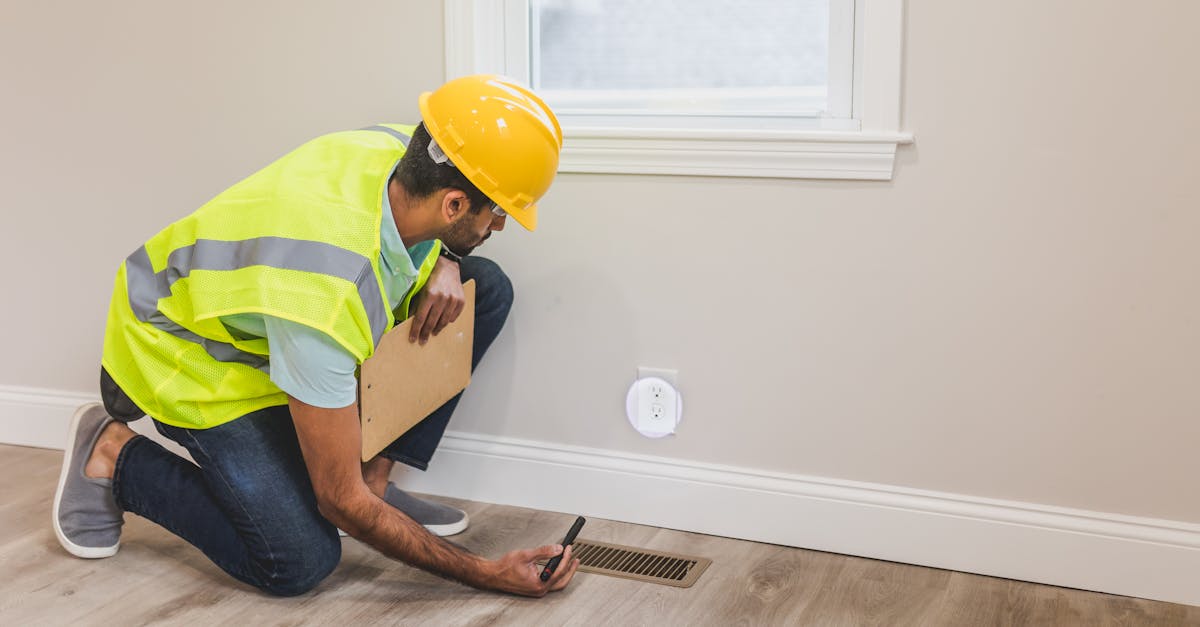
Why HVAC Certifications Matter More Than Ever in 2026
The HVAC industry faces major changes that make certifications more valuable than they’ve ever been. New refrigerant regulations require specific training and legal authorization to handle these substances safely. The phase-out of older refrigerants means technicians must understand replacement options and proper handling procedures.
Heat pump technology is expanding rapidly as homeowners and businesses look for efficient heating and cooling solutions. These systems require specialized knowledge that goes beyond traditional HVAC skills. Smart HVAC systems and IoT integration add another layer of complexity that certified technicians are better prepared to handle.
Employers prefer certified technicians because they reduce liability risks and demonstrate professional competence. Certified workers typically earn 15-25% more than their non-certified counterparts according to industry surveys. Insurance companies often require specific certifications for warranty work, creating additional job opportunities for qualified technicians.
The growing focus on energy efficiency and environmental sustainability means technicians need current knowledge about green technologies and installation practices. Certifications provide structured learning paths that keep your skills current with industry developments.
Top Entry-Level HVAC Certifications for New Technicians
New HVAC technicians should focus on foundational certifications that provide legal authorization to work and demonstrate basic competence to employers.
EPA Section 608 Certification
The Environmental Protection Agency Section 608 certification is legally required for anyone who works with refrigerants. This certification isn’t optional – you cannot legally purchase, handle, or dispose of refrigerants without it.
The certification has four types:
- Type I: Small appliances (less than 5 pounds of refrigerant)
- Type II: High-pressure appliances like air conditioners
- Type III: Low-pressure appliances like chillers
- Universal: Covers all three types
Most technicians pursue the Universal certification since it provides the broadest work authorization. The exam covers refrigerant safety, environmental regulations, and proper handling procedures. You can prepare through online courses or study guides, then take the proctored exam at an approved testing center.
Cost ranges from $20-100 depending on the testing organization. The exam typically takes 1-3 hours and requires a 70% passing score.
OSHA 10-Hour Safety Certification
The Occupational Safety and Health Administration 10-Hour certification focuses on workplace safety in construction environments. While not always legally required, many employers prefer or require this certification for job site work.
The program covers hazard recognition, accident prevention, and safety regulations specific to construction work. Topics include electrical safety, fall protection, and personal protective equipment use. You can complete the training online or in person over 1-2 days.
This certification costs approximately $50-150 and must be renewed every few years depending on your state’s requirements.
Advanced HVAC Certifications for Career Growth
Experienced technicians can pursue advanced certifications that demonstrate specialized expertise and lead to supervisory or specialized technician roles.
NATE Certification Programs
North American Technician Excellence (NATE) is considered the gold standard for HVAC technician certification. The program requires passing both a core exam and specialty area exams.
The core exam covers fundamental HVAC principles including heat transfer, electrical circuits, and system components. Specialty exams focus on specific equipment types:
- Air Conditioning
- Heat Pumps
- Gas Furnaces
- Oil Furnaces
- Hydronics (water-based heating)
NATE Ready-to-Work certification is available for entry-level technicians, while full NATE certification requires field experience. The exams are challenging and require thorough preparation through study materials or formal training programs.
Each exam costs $150-300. Most technicians spend 6-12 months preparing through study guides, practice tests, and hands-on experience. NATE-certified technicians typically earn 20% more than non-certified workers according to industry data.
HVAC Excellence Certifications
HVAC Excellence offers multiple certification levels based on experience and expertise. The Employment Ready Certificate is designed for students and new technicians, while Professional Level certifications require 2+ years of field experience.
Master Specialist certification represents the highest level and requires 3+ years of experience plus comprehensive testing. These certifications cover installation, service, and diagnostic procedures for various HVAC systems.
The program emphasizes hands-on competency testing alongside written exams. This practical approach ensures certified technicians can perform real-world tasks, not just pass written tests.
Specialized HVAC Certifications for High-Demand Areas
Certain HVAC specialties are experiencing rapid growth and offer excellent career opportunities for certified technicians.
Heat Pump Installation and Service Certification
Heat pump technology is expanding quickly as property owners seek efficient heating and cooling solutions. These systems require specialized knowledge about refrigeration cycles, electrical controls, and installation procedures that differ from traditional HVAC equipment.
NATE offers heat pump specialty certification that covers both air-source and ground-source (geothermal) systems. The Energy Systems Contractor Organization (ESCO) also provides heat pump certification programs focused on installation and service procedures.
Heat pump technicians often earn premium wages because the technology is complex and fewer technicians have specialized training. According to O*NET, employment for heating, air conditioning, and refrigeration mechanics is projected to grow faster than average.
Smart HVAC Systems and IoT Technology Certification
Smart HVAC systems integrate with building automation, mobile apps, and internet connectivity. These systems require technicians who understand both traditional HVAC principles and modern digital technology.
While comprehensive certification programs are still developing, manufacturers like Honeywell, Johnson Controls, and Carrier offer training on their smart system products. The American Society of Heating, Refrigerating and Air-Conditioning Engineers (ASHRAE) is developing certification standards for smart HVAC technology.
Technicians with smart system expertise are in high demand as commercial and residential customers upgrade to connected HVAC equipment. This specialty area combines HVAC knowledge with IT skills, creating opportunities for higher-level technical positions.
Green Energy and Sustainable HVAC Certifications
Environmental concerns and energy efficiency regulations drive demand for technicians trained in sustainable HVAC technologies.
The United Association STAR (Sustainable Technology and Renewable) program covers geothermal systems, solar thermal technology, and high-efficiency HVAC equipment. This certification prepares technicians for green energy installation and maintenance work.
Air Conditioning Contractors of America (ACCA) offers Quality Installation (QI) certification that focuses on proper installation techniques for maximum energy efficiency. Poor installation can reduce system efficiency by 30% or more, making proper training valuable for both technicians and customers.
Geothermal heat pump certification is available through the International Ground Source Heat Pump Association (IGSHPA). These systems are complex but offer excellent efficiency and growing market demand.
Green building certifications like LEED (Leadership in Energy and Environmental Design) create opportunities for HVAC technicians who understand sustainable building practices. While LEED itself isn’t an HVAC certification, understanding green building principles helps technicians work on high-performance buildings.
State and Local Licensing Requirements to Consider
HVAC licensing requirements vary significantly by state and local jurisdiction. Some states require no license for HVAC work, while others have strict requirements including apprenticeships, experience verification, and comprehensive examinations.
Most states that require licensing use EPA Section 608 certification as a foundation, then add state-specific requirements. Common additional requirements include:
- Electrical knowledge for handling HVAC electrical connections
- Building codes and permit procedures
- State environmental regulations
- Business law and contractor licensing
Major metropolitan areas often have additional local licensing requirements. For example, New York City requires Clean Heat certification for technicians working on certain heating systems.
Before pursuing certifications, research your state and local requirements through your state contractor licensing board. Some states have reciprocity agreements that recognize certifications from other states, while others require new testing.
Many states require continuing education to maintain licenses. Certification programs often provide continuing education credits that help meet these requirements while improving your skills.
Cost, Timeline, and ROI of HVAC Certifications
HVAC certification costs vary widely based on the program type and level of certification pursued.
Entry-Level Certifications:
- EPA Section 608: $20-100, can be completed in one day
- OSHA 10-Hour: $50-150, completed over 1-2 days
- Basic manufacturer training: $100-500, typically 2-5 days
Advanced Certifications:
- NATE certification: $150-300 per exam, 6-12 months preparation time
- HVAC Excellence: $200-400, 3-6 months preparation
- Specialized training programs: $500-2,000, several weeks to months
Formal Education Programs:
CBT Technology Institute offers comprehensive HVAC training programs:
- Diploma in Air Conditioning and Refrigeration Technician: 8-month program focusing on entry-level HVAC skills
- Associate of Science in Air Conditioning, Refrigeration & Heating Technology: 2-year program for mid-level technician roles with hands-on training
These structured programs cost $5,000-15,000 but provide comprehensive training that covers multiple certification areas.
Return on Investment:
Certified HVAC technicians typically earn $3,000-8,000 more annually than non-certified workers. EPA certification provides immediate ROI by enabling legal work with refrigerants. Advanced certifications like NATE can increase earning potential by 20% or more.
Specialized certifications often provide the highest ROI because they qualify technicians for premium work that fewer competitors can perform. Heat pump and smart system certifications are particularly valuable in growing market segments.
How to Choose the Right Certification Path for Your Goals
Your certification path should align with your career goals, current experience level, and local market demands.
For New Technicians:
Start with EPA Section 608 Universal certification since it’s legally required for most HVAC work. Add OSHA 10-Hour certification for safety credibility with employers. Consider entry-level programs like NATE Ready-to-Work or HVAC Excellence Employment Ready.
For Career Advancement:
Pursue NATE certification in your primary work areas. If you work mainly on residential air conditioning, focus on the AC specialty. For commercial work, consider multiple specialties or advanced certifications like HVAC Excellence Master Specialist.
For Specialization:
Choose certifications that match emerging market opportunities in your area. Heat pump certification makes sense in regions promoting renewable energy. Smart system training is valuable in areas with new construction or building automation upgrades.
Research Local Demands:
Check job postings in your area to see which certifications employers request most often. Talk to local contractors about which certifications help technicians get hired or promoted. Some regions emphasize certain specialties based on climate, building types, or local regulations.
Consider Your Learning Style:
Some people learn best through formal classroom instruction, while others prefer self-study and practical experience. Match your certification path to your preferred learning method and available time.
Many successful technicians pursue multiple certifications over time, building expertise gradually while working in the field. Start with foundational requirements, then add specialized certifications as your career develops.
Conclusion
HVAC certifications have become more valuable than ever as the industry adapts to new technologies, environmental regulations, and efficiency demands. The right certifications open doors to better-paying positions, specialized work areas, and career advancement opportunities.
Start with foundational certifications like EPA Section 608 that provide legal authorization to work in the field. Build on this foundation with advanced certifications like NATE or HVAC Excellence that demonstrate professional competence. Consider specialized certifications in growing areas like heat pumps, smart systems, or green energy based on your career goals and local market opportunities.
The investment in certification training typically pays for itself within the first year through higher wages and expanded job opportunities. As the HVAC industry continues evolving, certified technicians will be best positioned to take advantage of new technologies and market demands.
Frequently Asked Questions
What are the best HVAC certifications to get in 2026?
The best HVAC certifications for 2026 include EPA Section 608 Universal (required for refrigerant work), NATE certification for professional credibility, and specialized certifications in heat pumps and smart HVAC systems to meet growing market demands.
How much do certified HVAC technicians earn compared to non-certified workers?
Certified HVAC technicians typically earn 15-25% more than non-certified counterparts, with NATE-certified technicians earning up to 20% more. The annual increase ranges from $3,000-8,000 for most certification levels.
Is EPA Section 608 certification required for all HVAC work?
Yes, EPA Section 608 certification is legally required for anyone who purchases, handles, or disposes of refrigerants. Most technicians get Universal certification which covers all appliance types and refrigerant amounts.
How long does it take to get NATE certified?
NATE certification typically requires 6-12 months of preparation through study guides, practice tests, and hands-on experience. You must pass both a core exam and specialty area exams, with each costing $150-300.
What HVAC specialty certifications are in highest demand right now?
Heat pump installation and service certifications are in highest demand due to rapid technology expansion. Smart HVAC systems and IoT technology certifications are also valuable as more customers upgrade to connected equipment.
Do HVAC certifications expire and need renewal?
Yes, most HVAC certifications require periodic renewal through continuing education or re-testing. OSHA certifications typically need renewal every few years, and many states require ongoing education to maintain professional licenses.